The Bad Bot Takeover Is Here
December 30, 2023

December 30, 2023

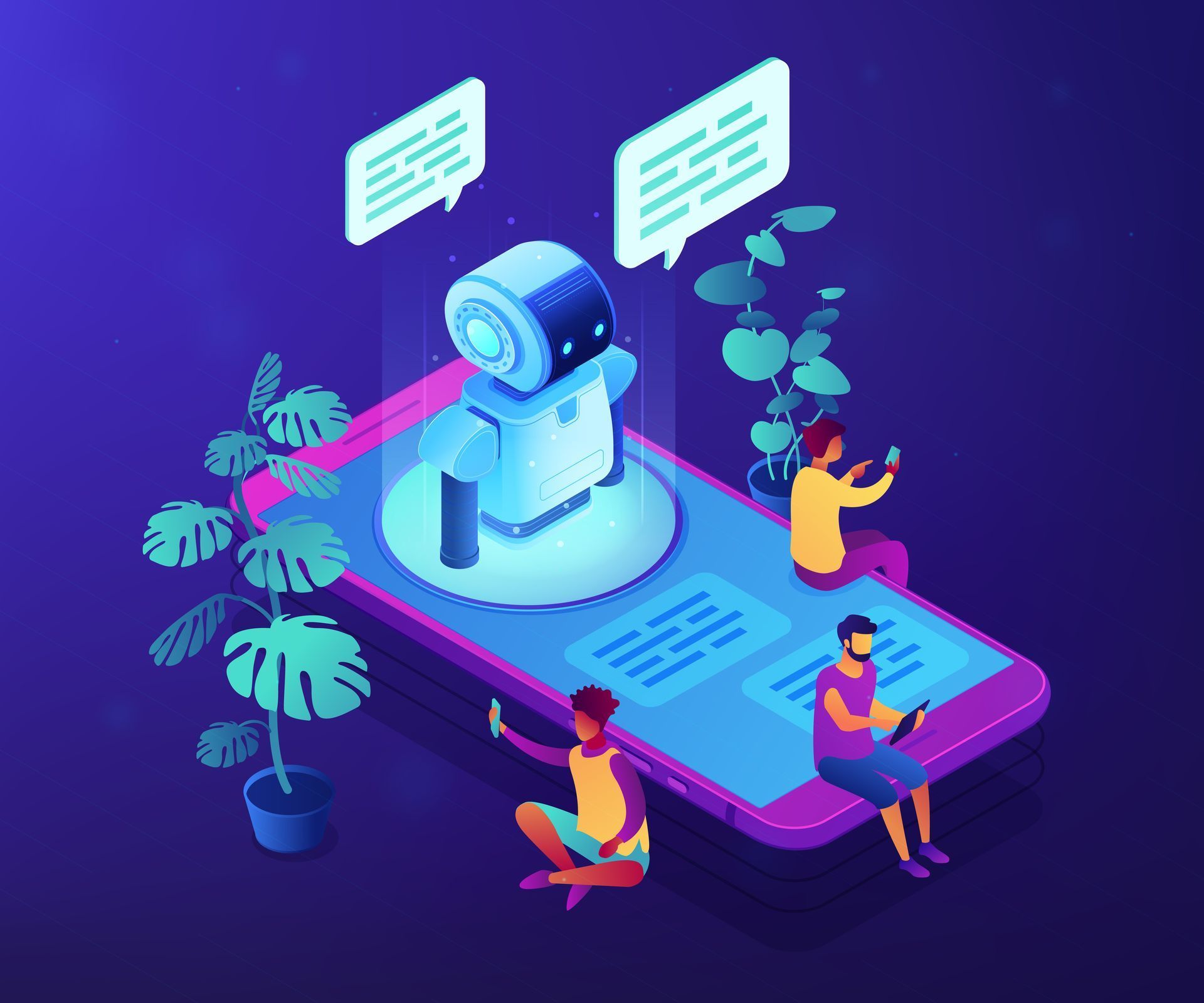
There is one prevalent threat to our security that nearly everyone has witnessed, but hardly anyone talks about – bad bots. These silent attackers are often considered annoying spam accounts posting computer-generated comments online. They are so common that most of us scroll by them without noticing, but bad bots are much more dangerous, particularly for business owners.

What Are Bad Bots?   Bad bots are software applications programmed to run automated tasks with malicious intent, such as brute force attacks, data mining, ad fraud, and more. These stealthy assailants are the tireless, robotic “employees” of cyber criminals that help them wreak havoc at scale. And they are everywhere. A study by Imperva revealed that of all Internet traffic in 2022, 47.4% was made up of these automated bots.   The activities of these bad bots can range from annoying to outright malicious. The most common ones we see that can affect any business are:   Reputation Attacks: Bots can be configured to leave comments on your social media or website with malicious codes and links, post provocative or spammy comments, leave scathing reviews, and so on, affecting consumer trust.   Web Scraping: Bad bots can scrape your website for valuable data, such as pricing information or customer reviews, which they might use for various purposes, including undercutting your prices or selling your data to competitors. They could also use it to duplicate your website and set up phishing scams to trick visitors.   This can be particularly dangerous for industries with sensitive data, like health care. Bots can scrape sensitive health information, such as patient records, medical history, and insurance information, which is often later sold on the dark web for profit.   Brute Force Attacks: These bots attempt to gain unauthorized access to your systems by repeatedly guessing passwords, making your accounts vulnerable to breaches. This is a popular tactic against financial services companies. If cybercriminals access accounts containing sensitive financial information, they can open new credit card accounts.   Distributed Denial of Service (DDoS) Attacks: Bad bots can launch DDoS attacks, overwhelming your website or online services with traffic and causing downtime.   Ad Fraud: Some bots engage in click fraud, repeatedly clicking on online ads to deplete your advertising budget without delivering real human engagement. This will skew analytics and often lead to poor decision-making for the marketing department.     Detecting bad bots can be challenging since they often mimic human behavior. The hardest ones to identify are evasive bots, which get their name from their ability to sidestep security by cycling through random IPs, rapidly changing their identities, mimicking human behavior, and defeating CAPTCHA challenges. However, there are a few methods to help you identify lousy bot attacks:   Watch Traffic Patterns: Monitor website traffic patterns for irregularities, such as high traffic from a single IP address or region.   Monitor All Comments Sections: Check in regularly on social media sites for spam comments or fake bad reviews and delete them.   Use CAPTCHA Challenges: Implement CAPTCHA challenges or bot detection tools to filter out automated traffic automatically.   Implement Anomaly Detection: Use anomaly detection algorithms to spot unusual behavior, like rapid data scraping or suspicious login attempts.   Track Bot Signatures: Maintain a list of known bot signatures and compare incoming traffic against it.   If you notice repeated issues, there are a few actions you can take, such as:   Educate Your Team: Train your employees to recognize and report suspicious activities, as humans are often the first line of defense. Create a process that includes who to notify and what steps to take when each issue is noticed.   Use Bot Detection Solutions: Invest in bot detection software or services to help identify and block bad bot traffic.   Maintain Regular Updates: Keep your software and security systems updated to patch vulnerabilities that bots may exploit.   Implement Rate Limiting: Limit the number of requests an IP address can make to thwart scraping attempts in a given time frame.   Hire An IT Professional: Bots are tricky. IT companies deal with them regularly and have advanced solutions to help eliminate these annoying and dangerous issues.   The impact of bad bots on business owners can be significant and lead to financial losses, reputational damage, and legal complications. If you’re worried about bad bots causing a problem for your organization, schedule a FREE 10-Minute Discovery Call. We’ll help you determine where your company is vulnerable and how to protect yourself and your business today. Click here to book now. 

Text on dark blue background: “October is Cybersecurity Awareness Month. Be Safe.”
October 1, 2025
This October marks the Cybersecurity Awareness Month. What began as a modest campahas evolved into is a global initiative led by the CISA and the NCA. We’re proud to join this effort.
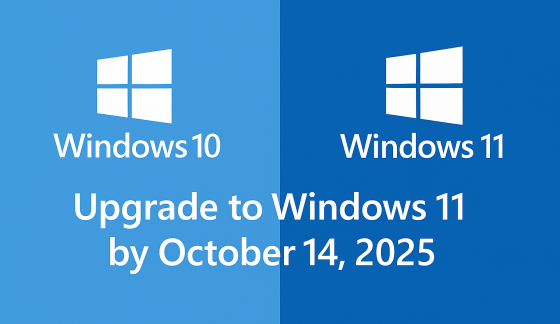
Windows 10 and Windows 11 logos with text:
September 24, 2025
Windows 10 support ends Oct 14, 2025. Learn how Microsoft’s Extended Security Updates (ESU) can keep your PC protected until 2026.
Password Day graphic with a padlock, password field, magnifying glass, and blue security shield
May 1, 2025
As we stand on the cusp of 2025, the technological landscape is evolving at an unprecedented pace, bringing both challenges and opportunities for businesses of all sizes. The coming year promises to be a pivotal one, with several key technology milestones set to reshape how we work, communicate, and conduct business. From the end of support for a widely-used operating system to the emergence of cutting-edge AI applications, these changes will impact everyone from small business owners to large corporations and individual users alike.

Show More →
